Journal · Gear
Packing for altitude: the layers that earn their place
Hot valley afternoons, minus-fifteen dawns, one duffel and a porter weight limit: packing for a Himalayan trek is a discipline of layers, not volume. The kit that earns its place on every trek we run — and what to rent in Kathmandu instead of buying.
Sunita GrgOperations Manager
Gear4 min read
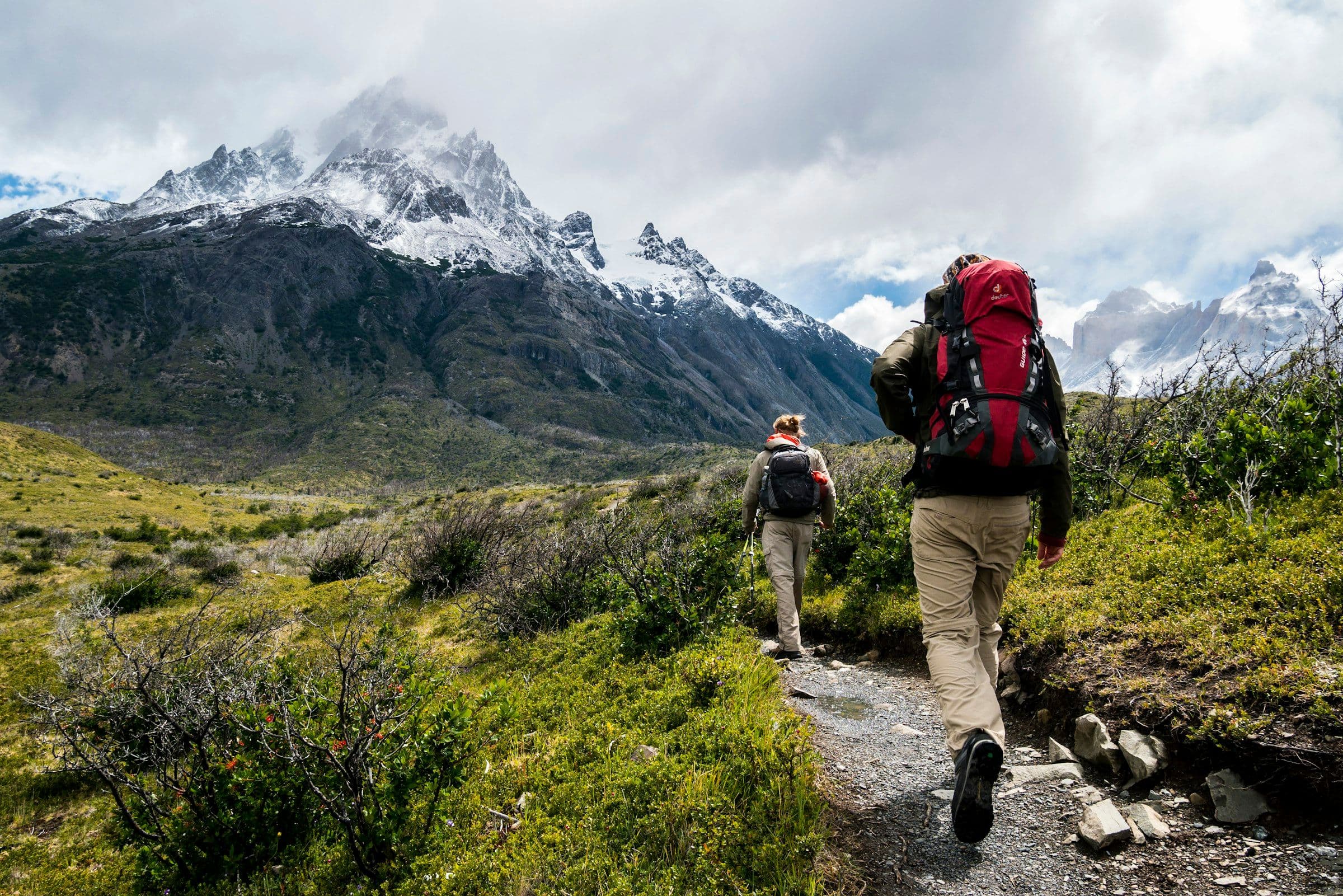
A trek like Everest Base Camp walks you from terraced farmland at 2,600 m to a glacier at 5,364 m. On the same October day you can sweat uphill in a t-shirt at noon and watch your water bottle freeze at dawn. No single garment handles that range — but a small set of layers, combined and recombined, handles all of it. That is the whole philosophy: pack systems, not outfits.
You carry only a daypack; a porter carries your duffel between lodges. We cap duffels at 12 kg per trekker — partly for the porters, partly because the limit is the best packing advice you will ever get.
The four-layer system
- Base layers (two sets): merino or synthetic, never cotton. One to walk in, one dry set that lives in the duffel for evenings and sleep.
- Midlayer: a fleece or light insulated jacket you will wear more than anything else you own — mornings, evenings, and most walking above 4,000 m.
- Shell: a waterproof, breathable jacket and light overtrousers. In the main seasons they may stay in the pack for days, and then earn their carry in one afternoon of graupel on a pass.
- The big down jacket: your 5,000-metre insurance. Worn at sunrise viewpoints, over dinner in cold dining rooms, and on pass mornings. This is the piece most people should rent, not buy.
Sleeping warm
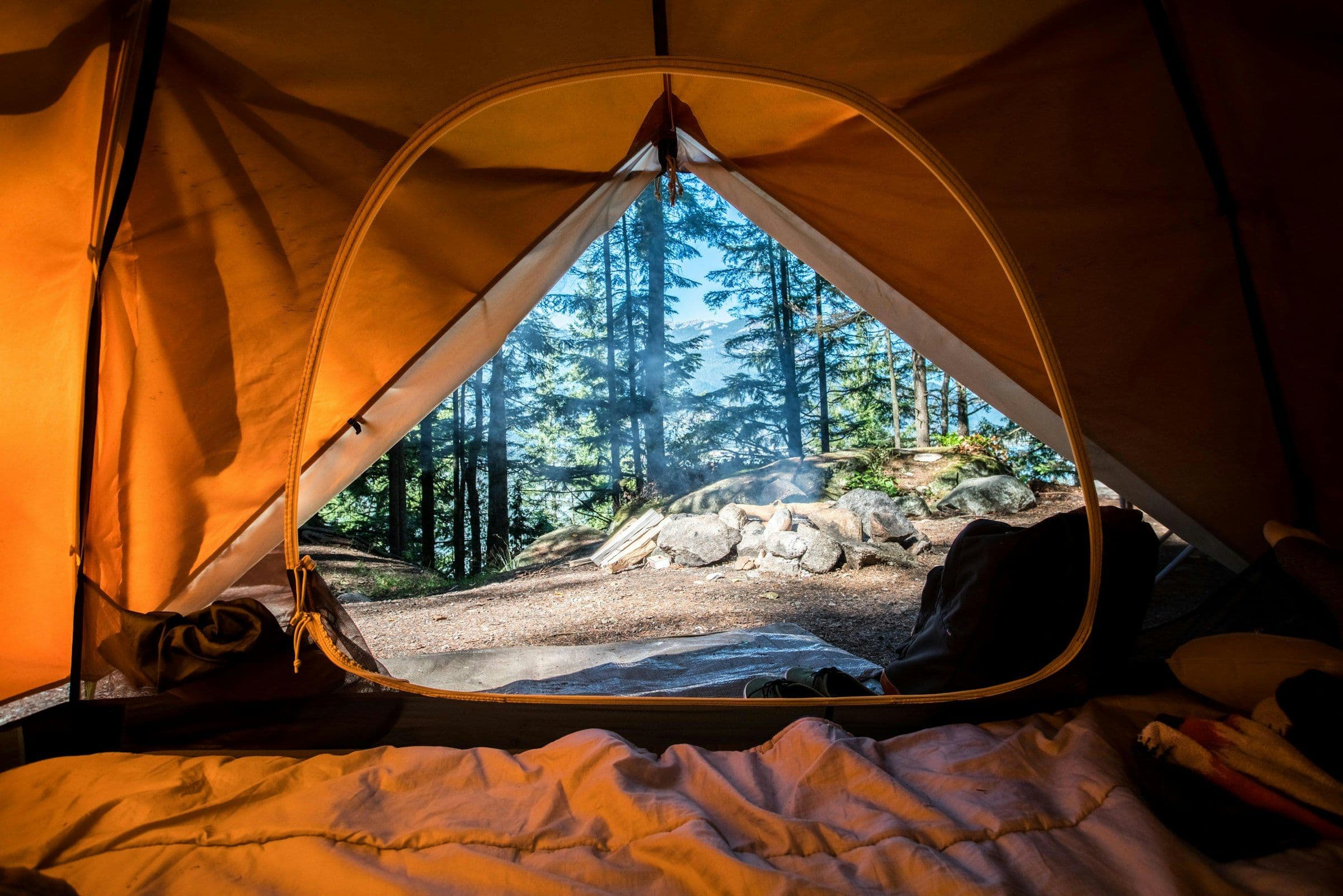
Teahouse bedrooms are unheated, so your sleeping bag does the work: for treks that sleep above 4,000 m, bring a bag with a comfort rating around −10 °C to −15 °C. Lodge blankets add a real margin on the coldest nights, and a silk or fleece liner adds warmth and keeps the bag clean. If your bag is rated for summer festivals, rent a proper one in Kathmandu.
Feet, hands, head
- Boots: waterproof, ankle-supporting, and — non-negotiably — broken in over at least a few long walks at home. New boots end more treks than altitude does.
- Camp shoes: trainers or sandals for evenings; your feet will vote them the best 400 grams in the duffel.
- Socks: four pairs of wool blend; a fresh pair on pass day is cheap luxury.
- Hands: light liner gloves for walking, insulated gloves or mitts for high mornings.
- Head: sun hat, warm beanie, and a buff for the dusty afternoon winds. Sunglasses must be genuinely dark (category 3–4) — high-altitude glare, especially off snow, is fierce.
The small things that matter at 5,000 m
- Water: capacity for three litres — bottles or a bladder plus one bottle that can take boiling water (it doubles as a bed warmer).
- Purification: a filter or tablets, so you never buy plastic bottles on the trail.
- Headlamp with spare batteries — pass days and Kala Patthar sunrises start in the dark.
- Sunscreen SPF 50 and real lip balm with SPF; the sun at altitude burns through cold air.
- A small blister kit, hand sanitizer, and any personal medication in your daypack, not the duffel.
- A 10,000 mAh power bank, so charging fees become optional.
The daypack
Your duffel disappears with the porter at breakfast and reappears at the next lodge, so everything you might want between eight and four rides on your own back. A 25–30 litre pack is right; if you are choosing between two sizes, take the smaller one.
- Water for the day, snacks, sunscreen and lip balm within reach.
- The shell and one warm layer — mountain weather does not send a calendar invite.
- Passport, permits, cash, phone and medication: the things that must never ride in the duffel.
- Trekking poles if you use them — and on the big descents, you will want to. They take a remarkable share of the load off knees that still have ten days of stone staircases to go.
Rent it in Thamel
Kathmandu has excellent gear shops and rental houses within ten minutes' walk of our office. Down jackets and four-season sleeping bags rent for roughly US$ 1–2 per day, duffel bags are cheap to buy, and genuine brands sit alongside convincing replicas — we will happily point you to the honest shops. The evening before departure we do a kit check with every group: what is missing gets rented in an hour, and what is unnecessary stays at the hotel in storage.
Every confirmed booking gets a trek-specific packing list with seasonal notes, but the principle never changes: if an item does not serve the system, it does not get carried up a mountain on someone's back.