Journal · On the trail
Teahouse life: what to expect on the trail
Nepal's classic trails are walked lodge to lodge — family-run teahouses where you sleep under the mountain you crossed that day and eat beside the stove. Here is what the rooms, menus, showers and small courtesies are really like.
Bikash TamangSenior Guide, restricted regions
On the trail4 min read
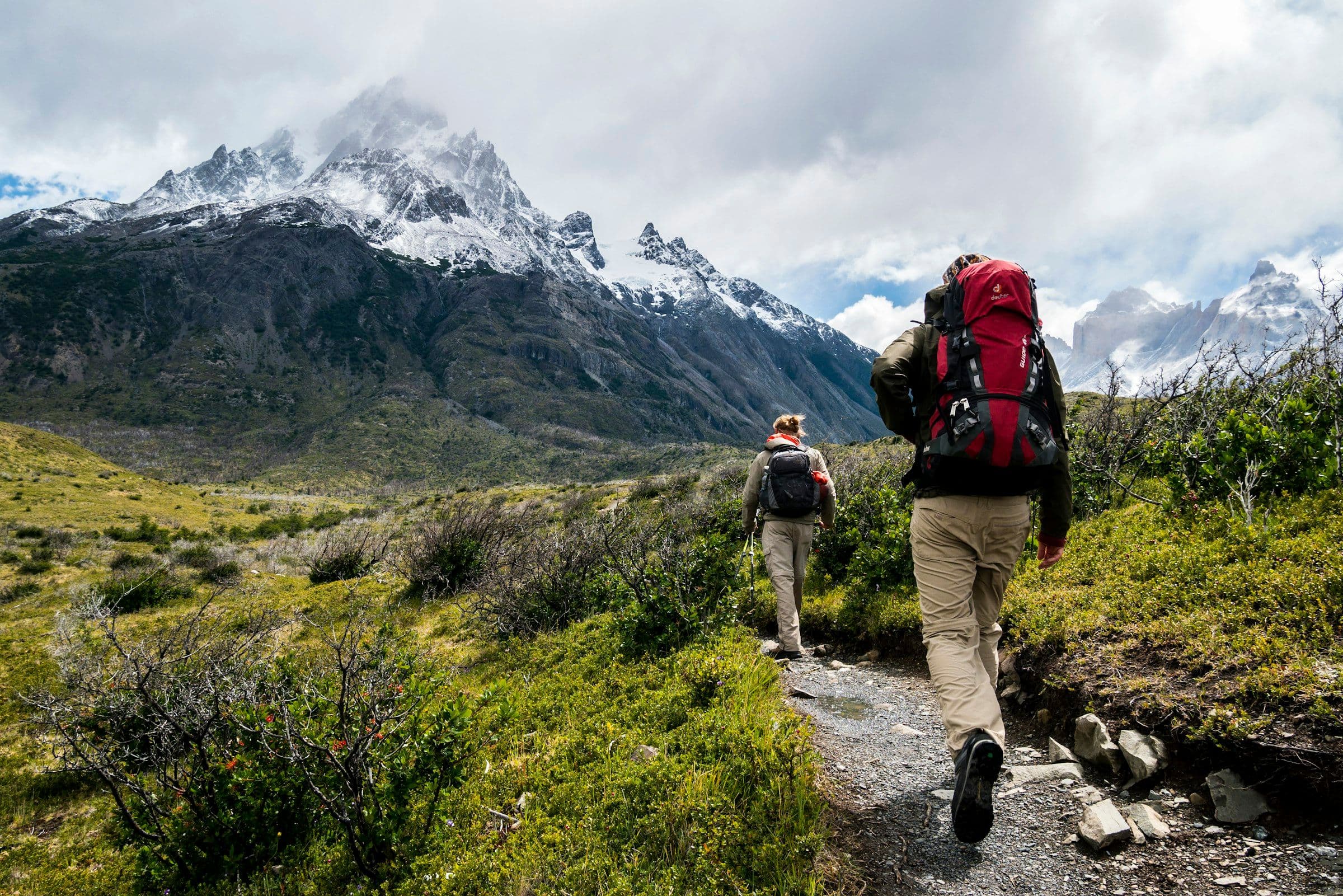
What makes trekking in Nepal unlike trekking almost anywhere else is not the altitude — it is the teahouse. On the classic routes you carry no tent and no food, because every few hours of walking there is a village, and in every village there are lodges run by local families who have hosted trekkers for generations. You walk from kitchen to kitchen across the highest mountains on earth.
First-time trekkers tend to arrive picturing either hardship or hotels. The truth sits in between, and knowing where helps you pack lighter and settle in faster.
The rooms
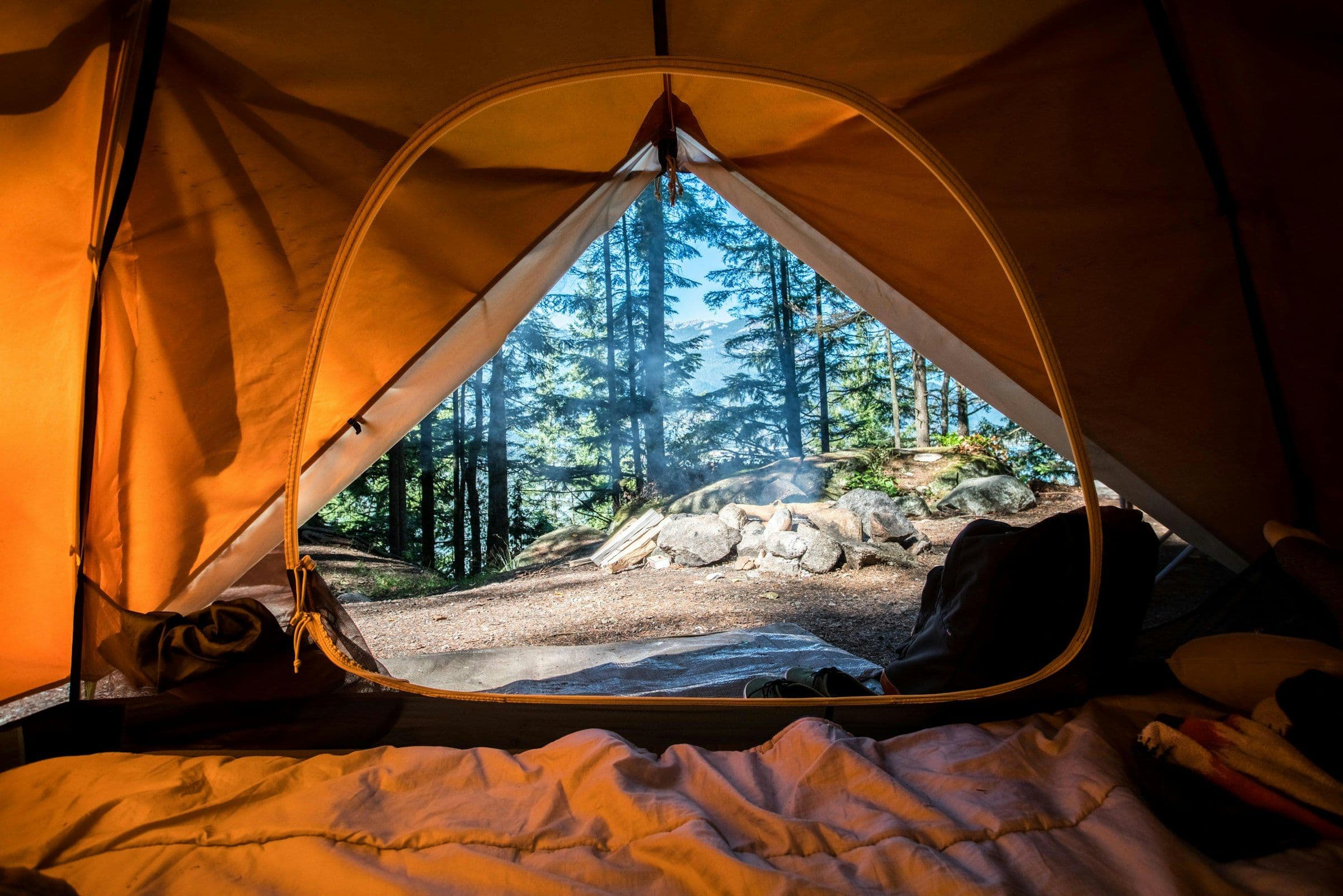
A standard teahouse room is a twin: two narrow beds with foam mattresses, a pillow and a heavy blanket each, plywood walls, a window with a view that would cost a fortune anywhere else. Rooms are unheated — only the dining room has a stove — so your sleeping bag matters more than the blanket. In the lower valleys of the Everest and Annapurna trails you will also find lodges with en-suite bathrooms, hot showers and thicker mattresses, and on some routes we can book these throughout.
The higher you go, the simpler it gets. At the last stops before a big pass — places like Lobuche or Dharamsala — rooms may be shared and water freezes in the jug overnight. It is one night, the stove is warm, and the sunrise the next morning is the reason you came. Trails like the Langtang Valley trek are notable for how good the lodges are: the villages rebuilt after the 2015 earthquake, and staying in them is a direct way of supporting that recovery.
The dining room
The dining room is the heart of every teahouse. A yak-dung or wood stove is lit in the late afternoon, tables run around the walls, and by six o'clock it holds every trekker, guide and porter in the village. You order from a menu that barely changes between lodges: garlic soup (the guides' altitude remedy), momo dumplings, fried noodles, pasta, pancakes — and dal bhat, the lentil, rice and curry plate that comes with free refills and fuels every porter in the Himalaya.
Order dal bhat at least once a day. It is fresh, cooked to order, endlessly refilled, and it is what the kitchen is best at. Breakfast is ordered the night before so the kitchen can plan; dinner is eaten early; by nine the room empties as everyone heads for their sleeping bags.
Showers, charging and wifi
Everything that needs fuel or infrastructure costs a little more as you climb, because everything is carried up by porter or mule.
- Hot showers: gas-heated, roughly NPR 500–800. Above 4,500 m a bowl of hot water often replaces the shower head.
- Charging: NPR 300–600 per device, at a socket in the dining room. A power bank means you charge once every few days instead of nightly.
- Wifi: prepaid cards (Everest Link, AirLink) or lodge hotspots on the main trails. It works, slowly, and fades above 4,000 m — treat connectivity as a bonus, not a plan.
Toilets and water
Lower lodges usually have western toilets; higher up, squat toilets are the norm and the flush is a bucket of water. Carry your own toilet paper and a small bottle of hand sanitizer. For drinking water, skip bottled plastic: every lodge sells boiled water, and treating tap or stream water with a filter or purification tablets is cheaper and cleaner for the valley.
The courtesies that go a long way
- Eat dinner where you sleep — room prices are kept low because the kitchen is where the family earns.
- Boots off at the door, and keep your gear to your corner of the dining room; space by the stove is shared.
- A few words of Nepali — namaste (hello), dhanyabad (thank you) — change the temperature of every interaction.
- Settle your bill in cash each morning. Small notes help; nobody in a high village can change a 5,000-rupee note.
Sleeping warm
The trick every guide teaches on night one: at dinner, ask the kitchen to fill your water bottle with boiling water, then take it to bed inside your sleeping bag. By morning you have warm feet and a litre of drinking water that is already treated. Add earplugs — plywood walls keep out weather, not snoring — and you will sleep better at 4,400 m than you expected. On a first teahouse trek like Annapurna Base Camp, most people are converts by the third night.
Trekkers come to Nepal for the mountains and come back for the teahouses. The trail gives you the views; the lodges give you the stories.