Journal · Planning
Training for a high-altitude trek: the twelve-week build
You cannot train for thin air at sea level — but you can arrive with legs and lungs that leave margin for it. A twelve-week plan built around what trekking actually asks of you: six-hour days, long descents and back-to-back effort.
Mingma Dorje SherpaSenior Guide, Everest region
Planning3 min read
Let's clear up the myth first: fitness does not prevent altitude sickness. Acclimatization is physiology, not athleticism, and it is built into our itineraries as rest days and gradual sleeping-altitude gains. What fitness buys you is margin — the difference between finishing a 700-metre climbing day with energy for the sunset viewpoint, and finishing it with nothing left for tomorrow. At altitude, everything costs more; training is how you arrive wealthy.
What the trail actually asks
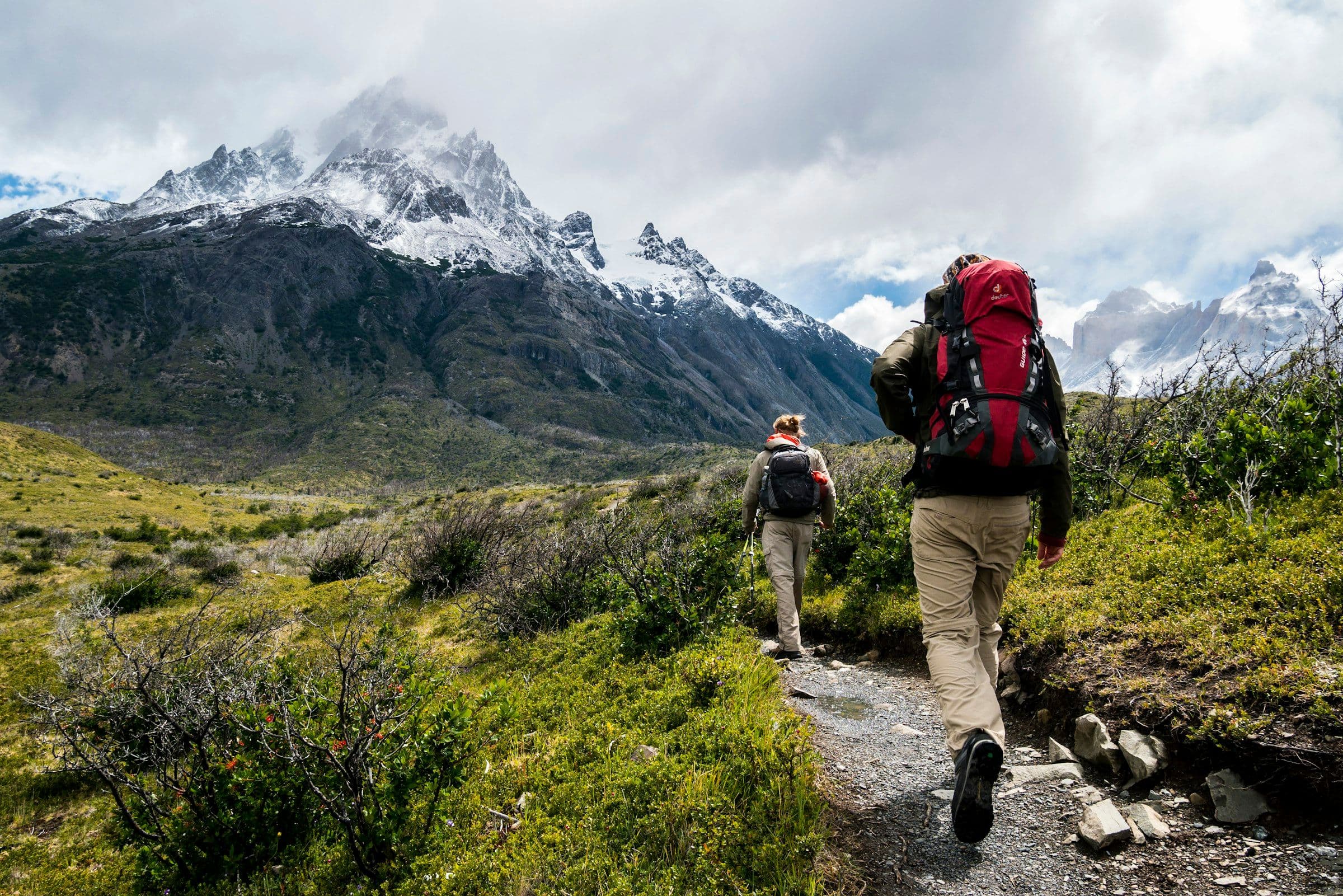
- Five to seven hours of walking a day, at a deliberately slow pace.
- Ascent days of 500–800 vertical metres, on stone staircases more than smooth paths.
- Long descents — the part that wrecks untrained legs and knees.
- A daypack of 5–8 kg: water, layers, camera.
- The real test: doing all of it again the next morning, ten days running.
Weeks 1–4: build the base
Three cardio sessions a week of 45–60 minutes at a conversational pace — hiking, jogging, cycling, swimming, whatever you will actually do. Add two short strength sessions built from squats, step-ups, lunges and planks; bodyweight is fine, form matters more than load. Cap the block with one longer weekend walk of two to three hours. Nothing heroic: the goal of this month is a body that absorbs training.
Weeks 5–8: make it specific
Trekking fitness is built on hills, so go find some — and if you live somewhere flat, stair repeats and a steep treadmill are honest substitutes. Once a week, do a hill session wearing your actual daypack, starting around 5 kg and adding a litre of water each week. Keep the two strength sessions, and stretch the weekend walk toward four or five hours on rough ground, in the boots you intend to trek in. Boots and body get broken in together.
Weeks 9–11: peak with back-to-back days
The single most valuable thing you can do: two consecutive long hill days on a weekend — five to six hours each, full daypack, real terrain. It rehearses exactly what a trek demands, and it teaches the unglamorous skills that matter at 4,500 m: eating and drinking on a schedule, managing hotspots before they become blisters, pacing the first hour slowly enough to have a last hour.
Train the descents deliberately in this block, because the trail will not let you skip them: walk your hill repeats down as well as up, and if you plan to use trekking poles in Nepal, train with them now. Downhill strength is mostly eccentric — the muscles braking as they lengthen — and it only comes from doing the thing.
Week 12: taper
Halve everything. Keep moving, sleep well, arrive hungry to walk. The fitness you have on day one of the taper is the fitness you take up the mountain — the final week is for storing it, not adding to it.
Short on time? The four-week version
Twelve weeks is the ideal, not the entry requirement. With a month, spend it on the two things with the highest return: one back-to-back weekend of long hill walks every week, and two midweek sessions of stairs or steep treadmill wearing your daypack. Skip nothing on the taper. You will feel the shorter runway in your legs on day three of the trek — and then the trek itself becomes the training, which is why our itineraries start gently.
And altitude itself?
On the trail, the rules that actually protect you are behavioral: walk slower than feels natural (bistari, bistari — slowly, slowly — is the most-used phrase in our guides' vocabulary), drink three to four litres a day, tell your guide about any headache early, and never hide symptoms to protect the itinerary. Our schedules climb high and sleep low, and our guides carry oximeters and check the group daily. Pre-acclimatization tents at home help some people at the margins; honest pacing helps everyone, every time.
Train for twelve weeks and the mountain does not get lower — but the trail gets shorter, the pack gets lighter, and the trip you saved for stops being an endurance test and becomes what it should be: the best walking of your life.